
Have you ever wondered how Netflix always seems to know what you’ll love next, or how Google instantly delivers the most accurate results? The secret lies in data, massive volumes of it. Two powerful fields, Data Analytics and Data Science, transform this raw information into meaningful insights.
In 2025, the question of Data Analytics vs Data Science is more relevant than ever. As people and machines generate enormous amounts of data daily, both fields have become essential for understanding trends, predicting outcomes, and driving smarter decisions. From businesses and classrooms to research labs, experts in these areas help analyse information, uncover patterns, and shape the future.
In this blog, we’ll explore what Data Analytics and Data Science are, their key differences, the skills and tools required, and how to decide which career path fits you best.
What is Data Analytics?
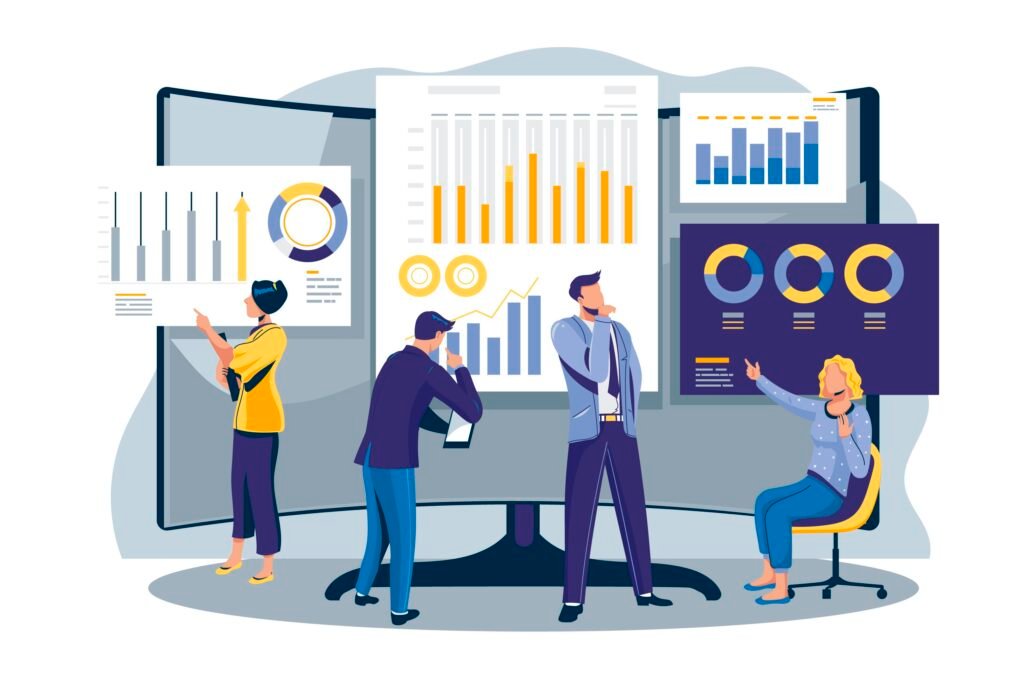
Data Analytics is like detective work for numbers. You examine information, identify patterns, and apply them to answer specific questions. It is about looking at historical and current data to gain insights that can guide decision-making.
Key points:
- Purpose: Find insights in data that already exists to answer questions or identify trends.
- Work style: Focus on analysing past events and current trends to understand what is happening or has happened.
- Tools used: Excel, SQL, Tableau, Power BI, and other visualization or reporting tools.
Example:
Imagine your school wants to know why some students are getting low grades. A data analyst would look at homework data, test scores, and attendance to see the reasons.
Skills Needed for Data Analytics
- Attention to detail: Noticing small but important patterns in large datasets.
- Math basics: Understanding averages, percentages, and other statistical measures.
- Using software: Proficiency with spreadsheets, databases, and visualization tools.
- Communication: Explaining findings clearly and understandably to decision-makers.

What is Data Science?
Data Science is like being both a detective and an inventor. Data scientists not only identify patterns but also develop tools to forecast future outcomes.
Key points:
- Purpose: Create new ways to use data for predictions.
- Work style: Use past and present data to forecast future trends.
- Tools used: Python, R, machine learning, and AI.
Example:
If a school wants to identify students who may struggle next term, a data scientist would build a predictive model to help teachers provide support proactively.
Skills Needed for Data Science
- Strong math skills – statistics, probability.
- Programming – writing code to process data.
- Machine learning – teaching computers to recognize patterns.
- Critical thinking – solving problems creatively.
Data Analytics vs Data Science: Key Differences Explained
Let’s break down the differences so it’s easier to see:
Focus:
- Data Analytics: Works with data to answer “what happened?”
- Data Science: Works with data to answer “what will happen?”
Goal:
- Data Analytics: Understanding current or past situations.
- Data Science: Creating methods to predict or automate.
Tools:
- Analytics: Excel, SQL, and visualization tools.
- Science: Python, R, AI systems, SQL, Power BI.
Skills:
- Analytics: Good at interpreting charts.
- Science: Good at building predictive models.
Career Opportunities in 2025
Data Analytics Careers
- Business Analyst – Helps companies make decisions.
- Marketing Analyst – Finds trends in customer buying habits.
- Operations Analyst – Improves how a company works day-to-day.
Data Science Careers
- Machine Learning Engineer – Builds systems that learn and improve.
- AI Specialist – Creates smart programs for complex tasks.
- Research Scientist – Uses data for scientific discoveries.
Which Data Career Path Should You Choose?
Ask yourself:
- Do I enjoy telling stories from numbers? — Data Analytics fits.
- Do I enjoy creating new tools and predictions? — Data Science fits.
- Do I want to start quickly with fewer technical demands? — Data Analytics might be better.
- Do I want deep technical skills and coding? — Data Science might be better.
Bullet points for decision making:
- Interest in patterns: Choose Analytics.
- Interest in predictions: Choose Data Science.
- Quick entry into career: Analytics.
- Love for coding: Data Science.
How to Get Started in Data Analytics or Data Science
Preparing for Data Analytics
- Try simple data challenges online (Google Sheets, Excel).
- Watch tutorials on YouTube about making graphs.
- Learn basic SQL for looking at databases.
- Volunteer to help with projects at school or in your community that use numbers.
Preparing for Data Science
- Start learning Python or R with free online resources.
- Practice basic coding, make a calculator or a simple game.
- Take short courses about machine learning for beginners.
- Join kid-friendly coding clubs or online communities.
General Advice
- Be curious! Ask lots of questions about data around you (like school survey results).
- Look for internships, student projects, or mentorships.
- Remember: It’s OK to start simple and build more skills over time.
Conclusion
Data Analytics and Data Science both offer exciting opportunities to work with data. If you enjoy uncovering insights from past information, data analytics is the right path; if you’re passionate about predicting trends and building innovative tools, data science is your lane. To get started, explore free tutorials, practice with public datasets, and engage with professionals or online communities. No matter which path you choose, developing these skills is increasingly valuable in today’s data-driven world.