
Creating advanced machine learning models has become easier than ever, even without heavy coding.It may sound unrealistic, but it is already happening. This approach is called Automated Data Science, or AutoML.
Many people feel nervous about data science because it involves a lot of coding, and that’s completely normal. The good news is that technology is evolving quickly, and AutoML is making data science easier for everyone. Whether you are a business analyst, a student, or simply curious about artificial intelligence, this change matters to you.
In this article, we will explain what Automated Data Science really is, how it is changing the tech industry, and answer an important question: will coding still be necessary in 2026? Let’s get started.
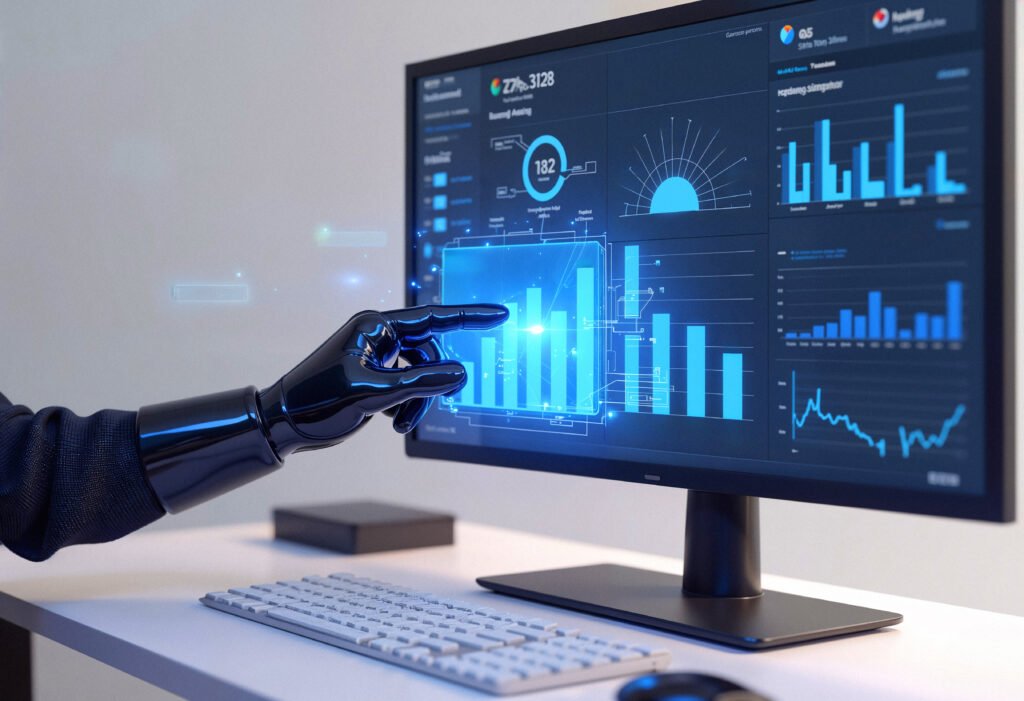
What Is Automated Data Science (AutoML)?
Think of Automated Data Science as having a smart assistant that does the heavy lifting in machine learning projects for you.
In traditional data science, you need to manually clean data, choose algorithms, adjust settings (called hyperparameters), and test your models. It’s like baking a cake from scratch—measuring every ingredient, setting the right temperature, and constantly checking if it’s done.
AutoML tools are like having a smart oven that knows exactly how to bake your cake perfectly. You just provide the ingredients (your data), and the system figures out the best recipe automatically.
Here’s what AutoML handles for you:
- Data cleaning and preparation: Fixing missing values and formatting issues
- Feature engineering: Selecting the most important information from your data
- Algorithm selection: Choosing the best machine learning method
- Model optimization: Fine-tuning settings for better performance
- Testing and validation: Making sure your model actually works well
Why Is Automated Data Science Becoming So Popular?
The growth of AutoML isn’t just a trend, it’s solving real problems that businesses and individuals face every day.
The Data Science Talent Gap
There simply aren’t enough trained data scientists to meet the growing demand. Companies worldwide are struggling to hire experts who can turn their mountains of data into useful insights. Automated Data Science helps bridge this gap by letting more people do data science work, even without years of specialized training.
Speed and Efficiency
What used to take data scientists days or even weeks can now happen in hours. AutoML platforms can test hundreds of different approaches simultaneously, finding the best solution much faster than a human could manually.
Cost Reduction
Hiring a team of experienced data scientists is expensive. Small businesses and startups often can’t afford it. AutoML democratizes access to advanced analytics, making it affordable for organizations of all sizes.
Consistency and Best Practices
Even experienced data scientists can miss things or make mistakes. AutoML systems apply proven best practices consistently every single time, reducing human error.
How Does Automated Data Science Actually Work?
Let me break this down with a simple example you can relate to.
Imagine you run a small online bookstore, and you want to predict which customers are likely to buy a particular book so you can send them personalized recommendations.
The Traditional Way (Manual Coding):
You’d need to write code to clean your customer data, decide which customer behaviors matter most (age, browsing history, past purchases), choose from dozens of possible algorithms, test each one, adjust countless settings, and compare results. This might take weeks and require deep programming knowledge.
The AutoML Way:
You upload your customer data to an AutoML platform, tell it you want to predict book purchases, and click start. The system automatically tries multiple approaches, tests them, and gives you the best-performing model often in just a few hours. Many platforms even explain why they chose that particular approach.
Popular AutoML platforms include Google Cloud AutoML, Microsoft Azure AutoML, H2O.ai, DataRobot, and Amazon SageMaker Autopilot.
What Questions Should Beginners Ask About AutoML?
Who Can Use Automated Data Science?
Almost anyone! You don’t need a computer science degree. If you can work with spreadsheets and understand your business problem, you can use many AutoML tools. They’re designed with user-friendly interfaces that guide you through the process.
That said, understanding basic data concepts definitely helps you use these tools more effectively.

When Should You Choose AutoML Over Traditional Coding?
AutoML shines in several situations:
- You need quick results for a straightforward prediction problem
- Your team lacks deep machine learning expertise
- You want to establish a baseline model before investing in custom solutions
- You’re working with standard data types like numbers, categories, and text
- You need to test multiple approaches quickly
Where Is Automated Data Science Being Used Today?
Real-world applications are everywhere:
Healthcare: Hospitals use AutoML to predict patient readmission rates without needing a programming team
Retail: Online stores automatically forecast inventory needs and personalize shopping experiences
Finance: Banks detect fraudulent transactions in real-time using automated models
Marketing: Companies predict customer behavior and optimize advertising campaigns
Manufacturing: Factories predict equipment failures before they happen, preventing costly downtime
Why Would Anyone Still Learn Traditional Coding?
This is the key question! While AutoML is powerful, it’s not magic. Think of it as the difference between using a smartphone camera and being a professional photographer. The smartphone takes great pictures automatically, but a professional still has skills and control that automated systems can’t replicate.
How Is Automated Data Science Changing in 2025-2026?
The latest developments are fascinating. AutoML systems are getting better at handling messy real-world data, explaining their decisions in plain language, and even suggesting what data you should collect to improve your results. Some platforms now integrate with popular business tools so non-technical users never need to leave their familiar software.
Will Coding Still Be Needed in 2026? The Honest Answer
Yes, coding will absolutely still be needed in 2026, but its role is evolving.
What AutoML Can’t Do (Yet)
Automated Data Science has limitations:
Complex custom problems: If your business challenge is unique or highly specialized, AutoML might not have the right tools built in
Domain expertise: AutoML can’t understand your industry’s specific nuances the way a human expert can
Ethical considerations: Machines don’t understand fairness, privacy concerns, or societal impact without human guidance
Integration challenges: Connecting your models to existing systems often requires programming skills
Innovation: Creating entirely new approaches and algorithms still needs human creativity and coding expertise
The Future Is Collaboration
Rather than replacing coders, Automated Data Science is changing what they do. Think of it as calculators didn’t eliminate mathematicians, they freed them to solve harder problems.
In 2026, we’ll likely see:
- Hybrid roles: Professionals who understand both business problems and enough coding to customize AutoML solutions
- Specialized coding: Programmers focusing on complex, creative challenges rather than repetitive tasks
- Enhanced automation: Even better AutoML tools that handle more edge cases
- Citizen data scientists: Business professionals using AutoML for everyday analytics while coders tackle advanced projects
Practical Tips for Getting Started with Automated Data Science
Ready to explore AutoML yourself? Here’s how to begin:
Start with free tools: Platforms like Google Teachable Machine or Orange Data Mining let you experiment without cost or coding
Take online courses: Websites offer beginner-friendly AutoML courses that teach concepts alongside tools
Practice with real projects: Use your own data from work or hobbies to solve actual problems you care about
Join communities: Online forums and social media groups share tips and answer questions from fellow learners
Learn basic data literacy: Understanding concepts like accuracy, overfitting, and data quality helps you use AutoML more effectively
Don’t completely ignore coding: Learning basic Python or R gives you more flexibility and understanding, even if you mainly use AutoML

Conclusion
The rise of Automated Data Science is one of the most exciting developments in technology. It’s opening doors for people who previously felt locked out of the data revolution.
But here’s the thing: whether you’re learning to code or using AutoML tools (or better yet, both), the real skill that will always be valuable is understanding problems and thinking critically. Technology is just the tool,your human insight is what creates real value.
So, will coding be needed in 2026? Yes, but in different ways. Will AutoML replace all data scientists? No, but it will change what they focus on. Will you need to understand both business problems and data concepts? Absolutely.
The future isn’t about choosing between coding and automation. It’s about using the right tools for each challenge and continuing to learn as technology evolves.
The best part? You don’t need to predict the future perfectly. Just start learning now, stay curious, and adapt as things change. Whether you pick up AutoML tools, learn programming, or explore both paths, you’re investing in valuable skills for tomorrow.
The world of Automated Data Science is growing fast, and there’s room for everyone-coders, non-coders, and everyone in between. The question isn’t whether you’ll need these skills, but how you’ll use them to solve problems that matter to you.The question isn’t whether you’ll need these skills, but how you’ll use them to solve problems that matter to you.